Mabamba Shoebill Tour
October 17, 2025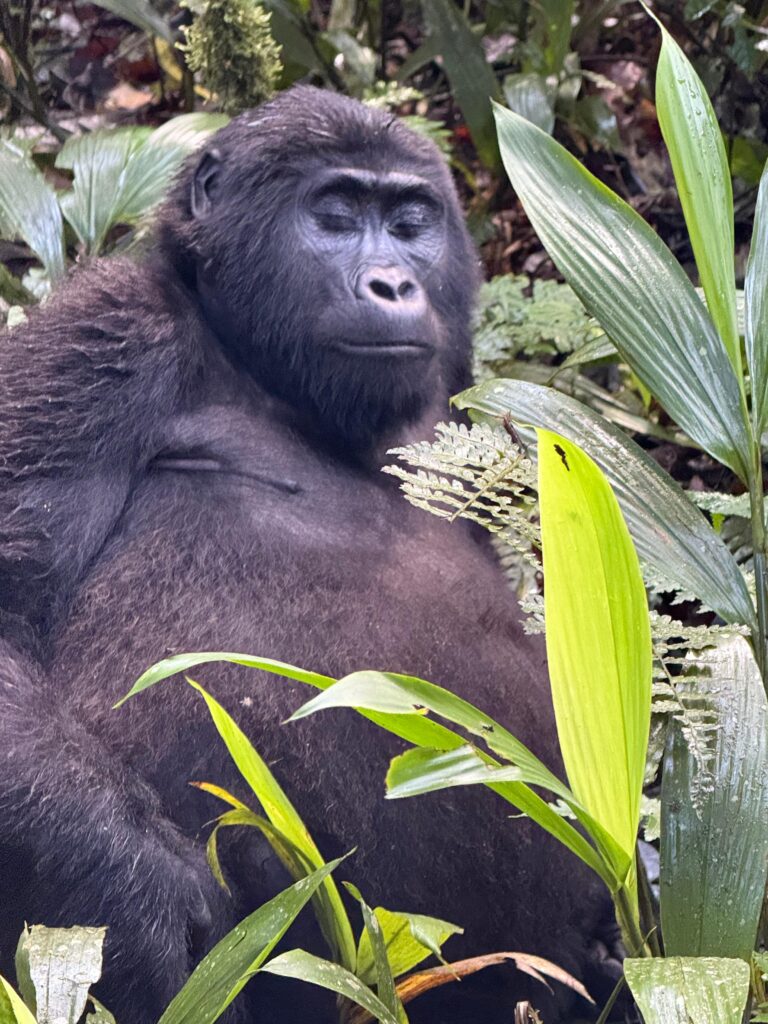
Few wildlife experiences are as exciting as gorilla trekking. Imagine standing quietly in a misty rainforest while a family of mountain gorillas goes about its daily life only a few meters away. You hear branches breaking as a huge silverback walks through the forest. Young gorillas play in the bushes while mothers gently care for their babies. At that moment, you realize this is more than a safari. It is an unforgettable experience that stays with you for the rest of your life.
Gorilla trekking is not just another wildlife activity. It gives you the rare chance to see one of the world’s most endangered animals in its natural home. At the same time, your visit helps protect mountain gorillas and supports the local communities that live near the forests. Every permit purchased plays an important role in conservation.
Unlike a traditional game drive, gorilla trekking is an adventure that you earn. Your journey starts early in the morning with a briefing from experienced park rangers. After that, trained trackers search for fresh signs left by the gorillas. They look for footprints, broken branches, fresh nests, and feeding areas. Once the gorillas are located, your guide leads you through thick forests, bamboo vegetation, muddy trails, and steep hills until you finally reach them.
Every trek is different. Some gorilla families are found after a short walk, while others require several hours of hiking. Since mountain gorillas are wild animals, they move freely through the forest every day. This makes every trekking experience unique and exciting. You never know exactly what the day will bring, and that is part of the adventure.
Uganda and Rwanda are the best places in the world for gorilla trekking. Together, they protect most of the remaining mountain gorillas through strong conservation programs, responsible tourism, and community support. Both countries offer well-organized trekking experiences led by professional guides who work hard to protect these amazing animals.
Many travelers ask one important question before planning their trip.
Should you go gorilla trekking in Uganda or Rwanda?
The answer depends on several factors. Your budget, travel style, fitness level, available time, and personal interests all play a role in choosing the best destination. Some travelers want a luxury safari with short travel times. Others prefer a longer adventure that includes more wildlife and different national parks.
This complete guide will help you make the right choice. You will learn the differences between Uganda and Rwanda, understand how gorilla permits work, discover the best time to visit, prepare for the trek, choose the right accommodation, and learn the rules that protect mountain gorillas. By the end of this guide, you will have all the information you need to plan a safe, enjoyable, and unforgettable gorilla trekking adventure.
Why Gorilla Trekking Is Unlike Any Other Wildlife Experience
Most wildlife safaris take place inside a safari vehicle. You drive through the park and watch animals from a distance. Gorilla trekking is completely different. Instead of staying inside a vehicle, you walk into the rainforest and enter the natural home of mountain gorillas. This makes the experience more exciting, more personal, and much more memorable.
Your adventure begins early in the morning at the park headquarters. Here, experienced ranger guides welcome all visitors and explain the trekking rules. They also share important safety tips and tell you what to expect during the hike. After the briefing, visitors are divided into small groups of no more than eight people. Each group is assigned to one habituated gorilla family. Keeping the groups small helps reduce stress on the gorillas and gives everyone a better viewing experience.
Once the trek begins, the rainforest quickly comes alive. Tall trees rise high above the trails, while thick vines hang from their branches. Giant ferns cover the forest floor, and colorful birds sing from the canopy. As you walk deeper into the forest, you hear insects buzzing and leaves rustling in the breeze. Every step brings you closer to one of the world’s most amazing wildlife encounters.
Before visitors enter the forest, professional trackers leave early to find the gorillas. They look for fresh nests, broken branches, footprints, feeding areas, and droppings. As soon as they locate a gorilla family, they contact the ranger guides by radio. This helps the guides lead visitors to the gorillas without disturbing their normal daily activities.
As you get closer, your guide asks everyone to lower their voices. Walking sticks are left behind, cameras are prepared, and the group moves slowly through the thick vegetation. The excitement grows with every step because you know the gorillas are nearby.
Then, the forest suddenly opens.
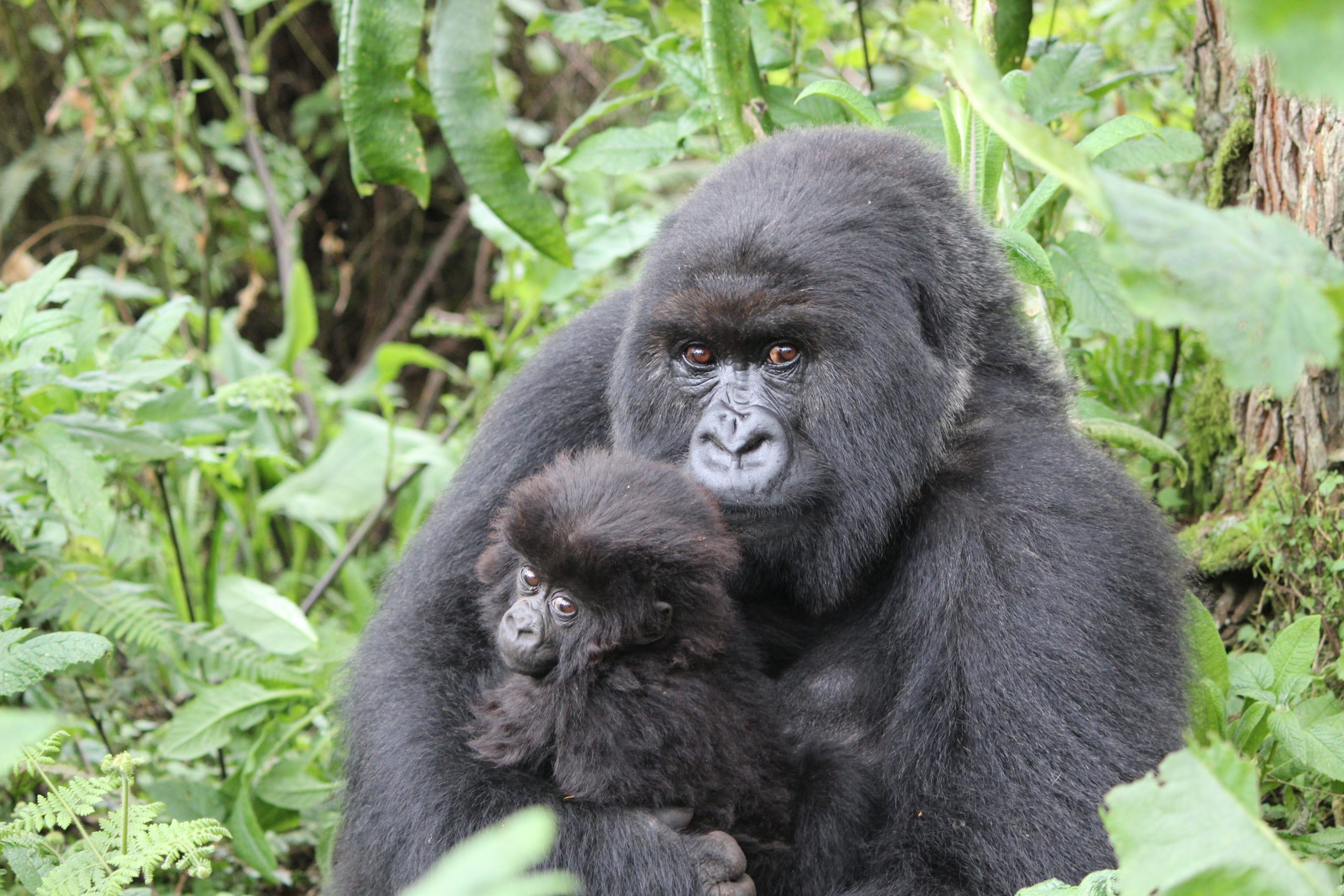
A female gorilla quietly eats fresh leaves while her baby holds tightly onto her back. Nearby, a young gorilla jumps from one branch to another before landing playfully on the ground. A few meters away sits the powerful silverback. He watches his family carefully while calmly feeding on plants. Every movement shows both strength and gentleness. For one unforgettable hour, you become a quiet guest in their world. There are no fences, cages, or glass walls. There is only mutual respect between humans and one of our closest relatives.
This is what makes gorilla trekking so special. You are not simply watching wildlife. You are sharing the same forest with wild mountain gorillas in their natural habitat. Watching them eat, play, groom each other, and care for their young creates a deep emotional connection. Many visitors say this is one of the most powerful wildlife experiences of their lives.
Unlike many safari activities, no two gorilla treks are ever the same. The gorillas move freely through the forest every day in search of food. This means every hike is different, every encounter is unique, and every visitor leaves with a different story. That is one of the reasons why so many people dream of going gorilla trekking in Uganda and Rwanda.
Meeting the Mountain Gorilla
Coming face to face with a mountain gorilla is an experience you will never forget. Many visitors expect to see a powerful wild animal. Instead, they are surprised by how calm, gentle, and human-like the gorillas are. Watching them in their natural home often creates a deep emotional connection that is difficult to describe.
Mountain gorillas are among our closest living relatives. They share about 98% of their DNA with humans. Because of this, many of their actions look very familiar. They show emotions, care for their families, and communicate with one another in ways that remind us of ourselves.
Mothers are always close to their babies. They carry them, protect them, and gently comfort them whenever they become frightened. Young gorillas spend much of their day playing together. They chase one another, climb trees, roll on the ground, and sometimes wrestle for fun. Watching them often feels like watching young children playing in a park.
Adult females help care for the family. They spend time feeding, resting, and grooming one another. Grooming is an important social activity because it helps strengthen relationships within the group. It also helps keep their fur clean and healthy.
The silverback is the leader of the family. He is easy to recognize because of the silver-colored hair across his back. Although he is the largest and strongest member of the group, he is usually calm and peaceful. His main job is to protect the family, settle disagreements, and guide the group as they move through the forest looking for food. He only shows aggression if he believes his family is in danger.
Many first-time visitors expect gorillas to be aggressive because of their great size. However, they are often surprised by how gentle they are. A fully grown silverback can weigh more than 180 kilograms (400 pounds), yet he usually moves slowly and quietly through the forest. Even if he walks close to visitors, he is normally focused on leading and protecting his family rather than threatening people.
This peaceful relationship between humans and gorillas is possible because of a process called habituation. During habituation, conservation experts, researchers, park rangers, and local communities slowly help gorillas become comfortable with the presence of people. This process takes several years and is done very carefully. The goal is not to tame the gorillas but to allow people to observe them without changing their natural behavior.
Because of habituation, visitors can safely watch gorillas as they feed, rest, play, and care for one another. The gorillas continue living as they normally would, while people quietly observe from a safe distance.
For many travelers, meeting mountain gorillas changes the way they think about wildlife conservation. Watching videos or documentaries is interesting, but standing only a few meters away from a wild gorilla family is a completely different experience. Looking into the eyes of a mountain gorilla creates a connection that photographs cannot fully capture.
Many people leave the forest with more than beautiful pictures. They leave with a greater appreciation for nature and a stronger desire to protect endangered wildlife. That is one of the reasons why gorilla trekking in Uganda and Rwanda is often described as one of the greatest wildlife experiences in the world.
Where Can You Go Gorilla Trekking?
Mountain gorillas live in only a few forests in East Africa. These forests are found in Uganda, Rwanda, and the Democratic Republic of Congo (DRC). Together, they protect the last remaining population of wild mountain gorillas.
However, most international travelers choose Uganda or Rwanda for their gorilla trekking adventure. Both countries offer safe, well-organized, and professionally guided trekking experiences. They also have strong conservation programs that help protect mountain gorillas and support local communities.
Although Uganda and Rwanda are home to the same species of mountain gorilla, each country offers a different experience. Your choice will depend on your budget, travel style, available time, and the type of safari you want.
Gorilla Trekking in Uganda
Uganda is one of the best destinations for gorilla trekking. It is home to more than half of the world’s remaining mountain gorillas. The country offers two national parks where visitors can enjoy this unforgettable experience.
The first is Bwindi Impenetrable National Park, which is the most popular gorilla trekking destination in Uganda. It has many habituated gorilla families and several trekking sectors. This gives visitors more choices when booking permits and planning their safari.
The second is Mgahinga Gorilla National Park. Although it is smaller than Bwindi, it offers a quieter trekking experience. The park is surrounded by beautiful volcanoes and bamboo forests, making it one of the most scenic places to see mountain gorillas.
Uganda is also a great choice for travelers who want a longer safari. Besides gorilla trekking, visitors can enjoy game drives, chimpanzee trekking, boat cruises, birdwatching, and cultural experiences in different national parks.
Gorilla Trekking in Rwanda
Rwanda offers gorilla trekking in Volcanoes National Park. This beautiful park lies in the northwestern part of the country and is famous for its volcanic mountains, green forests, and successful conservation efforts.
One of Rwanda’s biggest advantages is its easy access. Volcanoes National Park is only about two and a half hours from Kigali International Airport. This makes it an excellent choice for travelers with limited time or those looking for a short luxury safari.
Rwanda is also known for its high-quality tourism services. Many visitors enjoy staying in luxury lodges that offer beautiful views of the Virunga Mountains, excellent service, and comfortable accommodation before and after the trek.
How Are Uganda and Rwanda Different?
Both countries offer excellent gorilla trekking experiences, but they are not exactly the same.
Uganda is known for its thick rainforests, many gorilla families, and lower travel costs. It is a great option for travelers who want a longer safari and more wildlife activities.
Rwanda is famous for its beautiful volcanoes, shorter travel times, and luxury tourism. It is a good choice for travelers who want comfort, convenience, and an easy travel schedule.
No matter which country you choose, you will enjoy the same unforgettable experience of spending one hour with a family of wild mountain gorillas in their natural habitat.
Which Destination Should You Choose?
There is no wrong choice between Uganda and Rwanda. Both countries protect mountain gorillas through responsible tourism and conservation. Both also provide experienced ranger guides, well-managed parks, and unforgettable wildlife encounters.
If you are looking for a budget-friendly safari with many wildlife activities, Uganda may be the better choice.
If you prefer luxury accommodation, easy access, and shorter travel times, Rwanda may suit you better.
Whichever destination you choose, gorilla trekking in Uganda and Rwanda will give you memories that will last a lifetime. Watching mountain gorillas in the wild is one of the most rewarding wildlife experiences you can have.
Bwindi Impenetrable National Park – The Heart of Gorilla Trekking in Uganda.
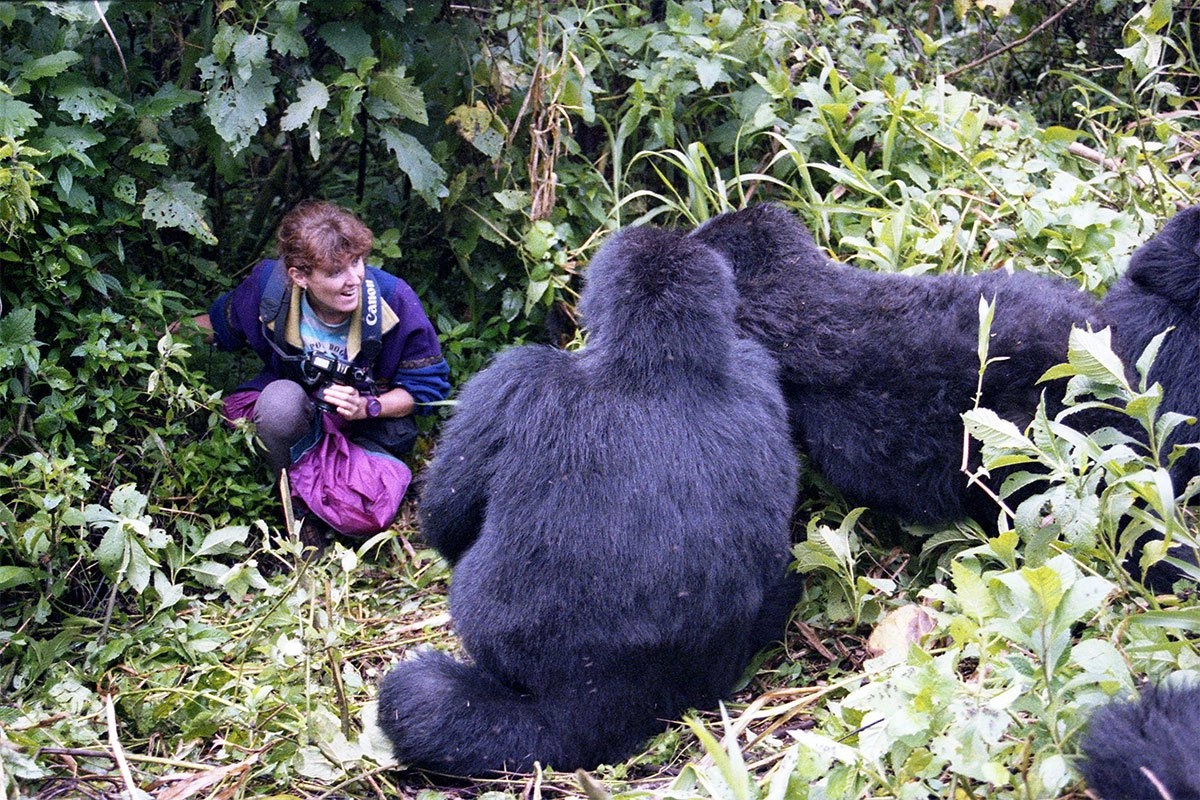
When people think about gorilla trekking in Uganda, they often think of Bwindi Impenetrable National Park. This famous park is located in southwestern Uganda, near the Albertine Rift Valley. It is one of Africa’s oldest tropical rainforests and one of the best places in the world to see mountain gorillas in their natural habitat.
Bwindi covers about 331 square kilometers and sits at an altitude of between 1,160 and 2,600 meters above sea level. The park is filled with thick forests, steep hills, deep valleys, and mist-covered mountains. Its rich landscape creates a beautiful environment for both wildlife and visitors. Walking through Bwindi feels like stepping into a forest that has remained unchanged for thousands of years.
The biggest attraction in Bwindi is its mountain gorillas. The park is home to more than half of the world’s remaining mountain gorillas, making it the most important destination for gorilla trekking. Unlike animals in a zoo, these gorillas live freely in the rainforest. They move through the forest every day in search of food and continue their natural way of life. Visitors enter the gorillas’ home instead of watching them from behind fences. This makes every trek feel real and unforgettable.
One reason Bwindi is so popular is that it offers many trekking options. Instead of bringing all visitors to one area, the park is divided into four trekking sectors. These are Buhoma, Ruhija, Rushaga, and Nkuringo. Each sector has its own gorilla families, beautiful scenery, and accommodation choices. This system helps protect the gorillas by spreading visitors across different parts of the park.
Buhoma Sector
Buhoma is the oldest and most famous trekking sector in Bwindi. This is where gorilla tourism first started in Uganda. Many visitors choose Buhoma because it is easy to reach and has many accommodation options, from budget lodges to luxury safari camps.
Besides gorilla trekking, Buhoma offers several other activities. Visitors can enjoy guided nature walks, birdwatching, and cultural visits to nearby communities. The combination of wildlife, culture, and beautiful scenery makes Buhoma one of the most popular areas in the park.
Ruhija Sector
The Ruhija Sector is known for its cool weather, beautiful mountain views, and rich birdlife. Because it is located at a higher altitude, visitors often enjoy fresh air and stunning morning mist that covers the hills.
The trails in Ruhija can be steeper than those in other sectors. However, the effort is rewarded with breathtaking views and unforgettable gorilla encounters. Bird lovers also enjoy Ruhija because it is home to many rare bird species that are found only in the Albertine Rift.
Rushaga Sector
The Rushaga Sector is located in the southern part of Bwindi. It has the largest number of habituated gorilla families in the park. This gives visitors more choices when booking permits and makes it easier to find available trekking dates.
Rushaga is also the only place in Uganda where visitors can enjoy the Gorilla Habituation Experience. This special activity allows guests to spend up to four hours with a semi-habituated gorilla family instead of the usual one hour. During this experience, visitors join researchers and park rangers as they observe how gorillas slowly become comfortable with the presence of people. It is an excellent choice for wildlife lovers, photographers, and anyone who wants a deeper understanding of mountain gorillas.
Nkuringo Sector
The Nkuringo Sector offers some of the most beautiful views in Bwindi. It is located on high ridges overlooking the Great Rift Valley and the Virunga Volcanoes. Many visitors say the scenery alone is worth the journey.
The hikes in Nkuringo are usually more challenging because of the steep hills. However, the reward is an unforgettable gorilla trekking experience surrounded by spectacular landscapes. The area also has several luxury eco-lodges that offer amazing views of the rainforest.
Every Gorilla Trek Is Different
No matter which sector you choose, every gorilla trekking experience is different. Mountain gorillas move freely through the forest every day as they search for fresh food. Before sunrise, experienced trackers enter the forest to find the gorilla families. They then guide the ranger teams to the latest location of the gorillas.
Some visitors find their gorilla family after a short walk. Others may hike for several hours before reaching them. This is completely normal because the gorillas decide where they want to go each day. Their freedom is one of the reasons the experience feels so natural and special.
More Than Just Gorilla Trekking
Bwindi is famous for mountain gorillas, but the park offers much more. It is one of the richest forests in Africa and supports an amazing variety of wildlife.
The park is home to more than 400 plant species, over 350 bird species, many butterflies, and several other primates. While walking through the forest, visitors may also see black-and-white colobus monkeys, blue monkeys, L’Hoest’s monkeys, forest elephants, giant forest hogs, and colourful birds flying through the trees.
During the trek, ranger guides often stop to explain interesting plants, identify bird calls, and share stories about the forest. This makes the hike both educational and enjoyable.
Accommodation Around Bwindi
Bwindi has accommodation for every type of traveler. Budget visitors can stay in simple guesthouses and community lodges that offer clean rooms and warm hospitality. Mid-range travelers can enjoy comfortable eco-lodges surrounded by beautiful forest views.
Luxury travelers have many excellent choices as well. High-end safari lodges offer spacious rooms, fine dining, fireplaces, private balconies, and outstanding service. Many lodges overlook the rainforest, allowing guests to wake up to birdsong and beautiful morning mist.
Other Activities in Bwindi
There is much more to do in Bwindi than gorilla trekking. Visitors can take guided forest walks, visit beautiful waterfalls, enjoy birdwatching, or learn about local culture.
One of the most popular cultural experiences is visiting the Batwa community. The Batwa people were the original forest inhabitants before the park became protected. Today, they share their traditions, music, dances, hunting skills, and history with visitors. These cultural tours help travelers understand the close relationship between local communities and the rainforest.
An Experience You Will Never Forget
As your visit comes to an end, you will probably remember much more than the photographs you took. You will remember the peaceful eyes of the silverback, the playful young gorillas, the fresh smell of the rainforest, and the cool mountain mist drifting through the trees.
These memories stay with many visitors for a lifetime. They also remind us why protecting Bwindi and its mountain gorillas is so important. That is why gorilla trekking in Uganda continues to inspire travelers from all over the world.
Mgahinga Gorilla National Park – Uganda’s Hidden Gem for Gorilla Trekking
While Bwindi Impenetrable National Park is the most famous place for gorilla trekking in Uganda, Mgahinga Gorilla National Park offers an equally rewarding experience. This beautiful park is found in the far southwestern corner of Uganda, where the country meets Rwanda and the Democratic Republic of Congo. Although it is Uganda’s smallest national park, it is one of the most peaceful and scenic places to see mountain gorillas.
Mgahinga covers only 33.7 square kilometers, but it is full of natural beauty. The park is surrounded by the magnificent Virunga Volcanoes and is covered with bamboo forests, montane forests, and open grasslands. The cool mountain air, beautiful scenery, and quiet environment make every visit special.
The name Mgahinga comes from the local word “Gahinga,” which means “small piles of stones.” These stone piles were created by local farmers as they cleared volcanic rocks from their fields. Today, the park is known not for its name but for its rich wildlife and breathtaking landscapes.
One of the things that makes Mgahinga unique is its location within the Virunga Conservation Area. This protected ecosystem stretches across Uganda, Rwanda, and the Democratic Republic of Congo. It plays an important role in protecting mountain gorillas and many other rare plants and animals.
The Famous Nyakagezi Gorilla Family
Mgahinga is home to the well-known Nyakagezi Gorilla Family. This family is one of the most popular groups for gorilla trekking in Uganda.
In the past, the Nyakagezi family often crossed the borders between Uganda, Rwanda, and the Democratic Republic of Congo. This made it difficult for visitors to know exactly where the gorillas would be. Today, however, the family spends most of its time in Uganda, giving travelers a much better chance of seeing them.
The Nyakagezi family is also unique because it has more than one mature silverback living peacefully in the same group. This is unusual among mountain gorillas, where one dominant silverback normally leads the family. Seeing several silverbacks together gives visitors a rare chance to observe interesting social behavior.
A Different Gorilla Trekking Experience
Gorilla trekking in Mgahinga feels different from trekking in Bwindi. Instead of walking through thick tropical rainforest, visitors often hike through beautiful bamboo forests and open mountain slopes. The trails are surrounded by volcanic scenery, making the journey just as memorable as the gorilla encounter itself.
As you hike higher into the mountains, you may enjoy spectacular views of the Virunga Volcanoes stretching across three countries. On clear mornings, the scenery is breathtaking. Mist slowly rises through the valleys while sunlight lights up the green mountain slopes.
Many visitors enjoy Mgahinga because it receives fewer tourists than Bwindi. The smaller number of visitors creates a peaceful atmosphere and allows travelers to enjoy a quieter trekking experience. Guides also have more time to explain the park’s wildlife, history, and conservation work.
More Than Gorilla Trekking
Although mountain gorillas are the main attraction, Mgahinga offers many other exciting activities.
One of the most popular is golden monkey tracking. Golden monkeys are rare primates found only in the Virunga Mountains. They are colourful, energetic, and fun to watch as they jump quickly through the bamboo forest. Many visitors combine gorilla trekking with golden monkey tracking for a complete wildlife experience.
The park is also famous for mountain hiking. Adventurous travelers can climb Mount Sabyinyo, Mount Gahinga, or Mount Muhabura. Each volcano offers beautiful views and a unique hiking experience.
Mount Sabyinyo is especially popular because its summit marks the meeting point of Uganda, Rwanda, and the Democratic Republic of Congo. Standing at the top allows you to look across all three countries at the same time.
Discover the Batwa Culture
Mgahinga also offers one of Uganda’s best cultural experiences through the Batwa Trail Experience.
The Batwa people were the original inhabitants of these forests. Before the park was created, they lived as hunter-gatherers and depended on the forest for food, medicine, shelter, and cultural traditions.
Today, Batwa guides share their history with visitors. During the tour, you can learn traditional hunting skills, discover medicinal plants, visit ancient caves, enjoy storytelling, and watch traditional music and dance performances. This experience helps visitors understand the deep connection between the Batwa people and the forest.
Conservation and Community Development
Mgahinga Gorilla National Park is an excellent example of successful conservation. Tourism helps protect mountain gorillas while also improving the lives of local communities.
Many local people now work as guides, porters, lodge staff, drivers, craft sellers, and cultural performers. As tourism continues to grow, more families benefit from jobs and business opportunities. This encourages local communities to support wildlife conservation and protect the forests for future generations.
A Paradise for Photographers
Photographers love Mgahinga because of its incredible scenery. The combination of volcanic mountains, bamboo forests, morning mist, and mountain gorillas creates endless opportunities for beautiful photographs.
The soft morning light is perfect for wildlife photography. During some seasons, colourful wildflowers bloom across the mountain slopes, adding even more beauty to the landscape.
Should You Choose Bwindi or Mgahinga?
Both parks offer unforgettable gorilla trekking in Uganda, and neither is better than the other. The right choice depends on the kind of experience you want.
If you prefer many gorilla families, more accommodation options, and greater permit availability, Bwindi Impenetrable National Park is an excellent choice.
If you want quieter trails, volcanic scenery, bamboo forests, and a more peaceful atmosphere, Mgahinga Gorilla National Park may be the perfect destination.
Many experienced travelers recommend visiting both parks during a longer Uganda safari. Each park has its own beauty and offers a different perspective on the world of mountain gorillas.
A Journey You Will Always Remember
A visit to Mgahinga is about much more than seeing gorillas. It is about enjoying beautiful mountains, learning about local culture, and experiencing one of Africa’s most peaceful natural environments.
Watching a family of mountain gorillas move quietly through the bamboo forest, with mist covering the volcanic peaks behind them, is a moment that stays with you forever. It is an experience that reminds us why protecting these incredible animals and their forests is so important.
Volcanoes National Park – Rwanda’s World Class Gorilla Trekking Destination
When people think about gorilla trekking in Rwanda, they think about Volcanoes National Park. This famous park is located in the northwestern part of Rwanda, close to the borders of Uganda and the Democratic Republic of Congo. It is one of the best places in the world to see mountain gorillas in their natural habitat.
Volcanoes National Park covers about 160 square kilometers. Although it is smaller than Uganda’s Bwindi Impenetrable National Park, it is rich in wildlife and beautiful scenery. The park is part of the larger Virunga Conservation Area, which protects mountain gorillas across Rwanda, Uganda, and the Democratic Republic of Congo.
One of the first things visitors notice is the park’s stunning landscape. Thick bamboo forests cover the lower slopes, while green rainforests climb the volcanic mountains. On many mornings, a light mist covers the hills, creating a peaceful and magical atmosphere. This beautiful setting makes gorilla trekking even more memorable.
A Rich Conservation History
Volcanoes National Park has played an important role in protecting mountain gorillas. It became famous through the work of the late primatologist Dian Fossey, who spent many years studying and protecting these endangered animals. Her research helped people around the world understand mountain gorillas and the need to conserve them.
Today, Rwanda continues this conservation work through strong wildlife protection, responsible tourism, and community development. Money collected from gorilla permits helps protect the park, supports conservation projects, and improves the lives of nearby communities.
Gorilla Trekking in Volcanoes National Park
Every morning, visitors gather at the park headquarters for a briefing before the trek begins. Experienced ranger guides explain the trekking rules, safety measures, and what visitors should expect during the hike. After the briefing, small groups are assigned to different habituated gorilla families.
The hike begins through farms before entering the forest. As you walk deeper into the park, the landscape changes. Bamboo forests, giant trees, and thick vegetation surround the trails. Depending on where the gorillas are, the hike may last from one hour to several hours.
Professional trackers leave early each morning to locate the gorilla families. They stay in contact with the ranger guides throughout the day. This helps visitors find the gorillas while causing as little disturbance as possible.
When you finally reach the gorillas, you are allowed to spend one unforgettable hour with them. During this time, you can quietly watch them feed, rest, play, groom one another, and care for their young. Every moment feels special because you are seeing wild mountain gorillas in their natural home.
Why Many Travelers Choose Rwanda
One of Rwanda’s biggest advantages is how easy it is to reach the park. Volcanoes National Park is only about two and a half hours by road from Kigali International Airport. This short travel time makes Rwanda an excellent choice for visitors who have limited time but still want to enjoy gorilla trekking.
Many travelers also choose Rwanda because of its excellent tourism services. The country is known for clean cities, good roads, professional guides, and high-quality hospitality. Visitors can choose from luxury lodges, comfortable mid-range accommodation, and budget-friendly guesthouses near the park.
More Than Gorilla Trekking
Although gorilla trekking is the main attraction, Volcanoes National Park offers many other activities.
One popular activity is golden monkey tracking. These rare monkeys are active, playful, and easy to recognize because of their bright golden-orange fur. Watching them move quickly through the bamboo forest is an exciting experience.
Visitors can also hike several volcanoes found within the Virunga Mountains. These hikes offer beautiful views of forests, volcanoes, and nearby villages. Some trails lead to the grave of Dian Fossey, giving visitors the chance to learn more about her conservation work and lasting legacy.
The park also offers cultural experiences where visitors can learn about Rwandan traditions, music, dance, and local history. These activities give travelers a better understanding of the communities that live near the park.
Wildlife Beyond Gorillas
Volcanoes National Park protects much more than mountain gorillas. It is home to many bird species, small mammals, reptiles, butterflies, and different types of plants. Birdwatchers often visit the park to look for rare birds that are found in the Albertine Rift region.
Although mountain gorillas are the main attraction, the park’s rich biodiversity makes every visit more rewarding.
Luxury Gorilla Trekking in Rwanda
Rwanda has become one of Africa’s leading luxury safari destinations. Many lodges near Volcanoes National Park provide spacious rooms, excellent food, beautiful mountain views, spa services, and outstanding customer care.
After a day of hiking through the forest, many visitors enjoy relaxing by a fireplace while looking out over the mist-covered volcanoes. This combination of adventure and comfort is one reason why Rwanda attracts travelers from around the world.
Why Volcanoes National Park Is Special
Volcanoes National Park offers much more than a chance to see mountain gorillas. It combines wildlife, conservation, culture, and beautiful scenery in one unforgettable destination.
Whether you are watching a playful baby gorilla, hiking through bamboo forests, or enjoying the view of the Virunga Volcanoes, every moment becomes part of an unforgettable journey. For many visitors, gorilla trekking in Rwanda is one of the greatest wildlife experiences they will ever have.
Gorilla Trekking in Uganda vs Rwanda – Which Destination Is Best for You?
Many travelers ask the same question before planning their safari.
Should you choose gorilla trekking in Uganda or Rwanda?
The truth is that both countries offer an unforgettable experience. In both places, you can spend one hour with a family of wild mountain gorillas in their natural habitat. You will be guided by experienced rangers, follow strict conservation rules, and enjoy a close encounter with one of the world’s most endangered animals.
However, the two destinations are not exactly the same. They differ in cost, landscape, travel time, accommodation, and the type of safari they offer. Understanding these differences will help you choose the destination that best matches your travel plans.
Gorilla Permit Costs
One of the biggest differences between Uganda and Rwanda is the price of a gorilla permit.
Uganda offers a more affordable option for many travelers. The lower permit cost allows visitors to enjoy gorilla trekking while spending less money. Because of this, Uganda is a popular choice for budget and mid-range travelers.
Rwanda charges a higher permit fee. Although the cost is greater, many visitors believe the convenience, luxury services, and shorter travel times make the experience worthwhile. Travelers who prefer comfort and have a flexible budget often choose Rwanda.
No matter which country you visit, the money from gorilla permits helps protect mountain gorillas, supports park management, and improves the lives of nearby communities.
Accessibility
Travel time is another important factor when choosing between Uganda and Rwanda.
Rwanda is easier to reach. After arriving at Kigali International Airport, visitors can drive to Volcanoes National Park in about two and a half hours. This makes Rwanda an excellent choice for travelers with limited time.
Uganda usually requires a longer journey. Most visitors arrive at Entebbe International Airport before traveling to Bwindi Impenetrable National Park or Mgahinga Gorilla National Park. The drive can take several hours, depending on the route you choose. Some travelers also use domestic flights to reduce travel time.
Although the journey is longer, many visitors enjoy the drive because it passes through beautiful countryside, rolling hills, tea plantations, and local villages.
The Trekking Experience
Both countries offer excellent gorilla trekking, but the hiking experience is slightly different.
Uganda is known for its thick rainforest, steep hills, and longer hiking trails. The terrain can be challenging, but it gives visitors the feeling of exploring a true African jungle. Every walk through the forest is full of adventure.
Rwanda also has beautiful forests, but many trails pass through bamboo vegetation and volcanic slopes. Depending on the gorilla family’s location, some hikes may be shorter and less demanding. This makes Rwanda attractive to travelers who prefer an easier hike.
In both countries, the length of the trek depends on where the gorillas are on that particular day. Some visitors reach them within an hour, while others may hike for several hours.
Scenery and Landscapes
Uganda and Rwanda both have beautiful scenery, but each offers a different view.
Uganda is famous for its ancient rainforests, deep valleys, waterfalls, and green hills. The forests feel wild and untouched, creating a true wilderness experience.
Rwanda is known as the “Land of a Thousand Hills.” Volcanoes National Park is surrounded by dramatic volcanic mountains, bamboo forests, and beautiful farmland. The scenery is spectacular and provides excellent opportunities for photography.
No matter which country you choose, you will enjoy breathtaking landscapes throughout your journey.
Wildlife and Other Safari Activities
If you want to combine gorilla trekking with many other wildlife experiences, Uganda offers more options.
Visitors can enjoy chimpanzee trekking, game drives, boat cruises, birdwatching, nature walks, and cultural tours in several national parks. Popular destinations include Queen Elizabeth National Park, Murchison Falls National Park, Kibale National Park, and Lake Mburo National Park. This makes Uganda a great choice for longer safaris.
Rwanda also offers exciting wildlife experiences. Visitors can enjoy golden monkey tracking, birdwatching, volcano hiking, and cultural tours. The country is also home to Akagera National Park, where visitors can see the Big Five, and Nyungwe Forest National Park, which is famous for chimpanzees and canopy walks.
Accommodation
Both countries have accommodation for every budget.
Uganda offers budget guesthouses, comfortable mid-range lodges, and luxury safari camps. Many lodges are built close to the forests and provide beautiful views of the surrounding hills.
Rwanda is especially well known for its luxury tourism. Many high-end lodges offer elegant rooms, fine dining, spa services, and outstanding hospitality. Travelers looking for a premium safari often choose Rwanda.
Which Destination Gives Better Value?
If keeping costs low is important, Uganda usually offers better value. Lower permit prices and a wide range of accommodation make it easier to plan an affordable safari.
If convenience and luxury are your priorities, Rwanda is an excellent choice. Short travel times and high-quality tourism services create a smooth and comfortable experience.
Neither destination is better than the other. They simply offer different experiences that suit different travelers.
Our Recommendation
Choose Uganda if you:
- Want a more affordable gorilla trekking safari.
- Plan to combine gorilla trekking with other wildlife activities.
- Enjoy adventurous hikes through dense rainforest.
- Have extra time to explore different national parks.
Choose Rwanda if you:
- Have limited time for your trip.
- Prefer shorter travel distances.
- Want a luxury safari experience.
- Enjoy beautiful volcanic scenery and comfortable accommodation.
The Final Decision
Whether you choose Uganda or Rwanda, you will enjoy one of the world’s greatest wildlife experiences. Spending one hour with a family of wild mountain gorillas is something that few people ever experience.
The memories you create, the photographs you take, and the connection you feel with these gentle giants will stay with you for many years. That is why gorilla trekking in Uganda and Rwanda remains one of Africa’s most unforgettable adventures.
Gorilla Trekking Permits – Everything You Need to Know Before You Book
A gorilla trekking permit is one of the most important parts of planning your safari. You cannot visit a habituated gorilla family without a valid permit. Every visitor must book a permit before entering the national park. Since the number of permits is limited each day, it is important to plan early, especially during the busy travel seasons.
A gorilla permit is much more than an entry ticket. It gives you the chance to spend one unforgettable hour with a family of wild mountain gorillas in their natural habitat. The money collected from permits also helps protect these endangered animals, supports park management, funds research, and improves the lives of local communities. By buying a permit, you are directly helping conservation.
Why Are Gorilla Permits Limited?
Only a small number of visitors are allowed to see each gorilla family every day. This rule helps reduce stress on the gorillas and protects them from diseases that humans can pass on.
Each habituated gorilla family can be visited by a maximum of eight people per day. Visitors are allowed to spend only one hour with the gorillas after they are found. These rules help keep the animals safe while giving visitors a special wildlife experience.
Because of these limits, gorilla permits often sell out months before the trekking date. This is especially true during the dry seasons, when many people travel to East Africa.
Gorilla Permit Prices.
The cost of a gorilla trekking permit depends on the country where you plan to trek.
Uganda offers permits at a lower price ranging from:
- $800 for a foreign non resident,
- $700 for foreign residents,
- $500 for African citizens
- Ugx.300000 for East African Community citizens.
Rwanda offers permits at slightly higher price ranging from:
- $1500 for a foreign non-resident,
- $500 for foreign residents,
- $500 for African citizens,
- $200 for East African Community Citizens.
This makes Uganda a popular choice for travelers who want a more affordable safari.
Rwanda charges a higher permit fee. Many visitors choose Rwanda because of its shorter travel times, luxury accommodation, and excellent tourism services.
Permit prices may change over time. For this reason, it is always a good idea to confirm the latest rates before booking your trip.
When Should You Book Your Permit?
It is best to book your permit several months before your trip. This is very important if you plan to travel during the peak seasons.
The busiest months are usually:
- June to September
- December to February
During these months, permits can sell out quickly because many international travelers visit Uganda and Rwanda.
If you plan to travel during the rainy seasons, you may find better permit availability and fewer visitors in the parks.
How to Book a Gorilla Permit
Booking a gorilla trekking permit is simple when you follow the right steps.
Many visitors book through a trusted safari company. The company checks permit availability, reserves the permit, and helps organize accommodation, transport, and other safari activities.
You can also book directly through the wildlife authorities responsible for managing the parks. This option is suitable for independent travelers who prefer to organize their own trips.
Before making any payment, always confirm that permits are available for your preferred trekking date.
What Does the Permit Include?
A gorilla trekking permit includes much more than access to the forest.
The permit normally covers:
- Entry into the gorilla trekking area.
- Services of experienced ranger guides.
- Tracking by professional park staff.
- One hour with a habituated gorilla family.
- Support for conservation and community projects.
However, the permit does not usually include transport, accommodation, meals, porter services, visas, or travel insurance. These costs are normally arranged separately.
What Happens on Trekking Day?
On the day of your trek, you should arrive at the park headquarters early in the morning. Ranger guides will register visitors and explain the trekking rules before the hike begins.
After the briefing, visitors are placed into small groups. Each group is assigned to a specific gorilla family based on factors such as fitness level and the location of the gorillas.
Once the trek begins, experienced trackers guide the group through the forest until the gorillas are found. After reaching the family, visitors are allowed to spend one hour quietly observing them before returning to the starting point.
Can You Change or Cancel a Permit?
Sometimes travel plans change because of unexpected events. Whether a permit can be changed, transferred, or refunded depends on the rules of the wildlife authority that issued it.
Before booking your safari, ask about the cancellation and refund policy. Understanding these conditions can help you avoid unexpected costs if your plans change.
Why Your Permit Matters
Many people think a gorilla permit only pays for a wildlife experience. In reality, it does much more.
Money from permits helps protect mountain gorillas, supports anti-poaching patrols, funds scientific research, improves park facilities, and creates jobs for local communities. It also encourages people living near the parks to protect wildlife instead of harming it.
Every permit purchased plays a small but important part in protecting mountain gorillas for future generations.
Book Early for the Best Experience
If gorilla trekking in Uganda and Rwanda is on your travel list, do not wait until the last minute to book your permit. Early booking gives you more choice of trekking dates, accommodation, and safari packages.
Planning ahead also gives you peace of mind. Once your permit is confirmed, you can focus on preparing for one of the most unforgettable wildlife adventures in Africa.
Best Time for Gorilla Trekking in Uganda and Rwanda
One of the most common questions travelers ask is, “When is the best time to go gorilla trekking?” The good news is that gorilla trekking in Uganda and Rwanda is possible throughout the year. Mountain gorillas do not migrate or hibernate. They stay in the forests every day, so visitors have the chance to see them in any season.
However, weather conditions can affect your hiking experience. Some months have less rain and drier trails, while others have more rain, thicker vegetation, and muddy paths. Knowing what to expect will help you choose the best time for your adventure.
The Dry Season
The dry season is the most popular time for gorilla trekking. It usually runs from June to September and from December to February.
During these months, there is less rainfall, and the forest trails are often easier to walk on. Although the paths can still be muddy in some places, they are usually less slippery than during the rainy season. This makes hiking more comfortable for many visitors.
The dry season also offers better conditions for photography. There is more sunlight in the forest, making it easier to take clear pictures of the gorillas and the beautiful landscape.
Because many people prefer to travel during the dry season, gorilla permits often sell out several months in advance. Hotels and safari lodges also become busy. If you plan to travel during these months, book your permit and accommodation as early as possible.
The Rainy Season
The rainy season usually takes place from March to May and from October to November.
Many travelers avoid these months because they expect heavy rain. However, the rainy season also has many advantages. The forests become greener, rivers flow strongly, and the scenery looks fresh and beautiful. For nature lovers and photographers, this can be one of the most attractive times to visit.
The trails are often wetter and more slippery, so the hike may be more challenging. Good hiking boots, waterproof clothing, and a walking stick will help you stay comfortable throughout the trek.
Another advantage of the rainy season is that there are usually fewer visitors. This creates a quieter experience in the park, and it may be easier to find gorilla permits and accommodation.
Can You See Gorillas All Year?
Yes. Mountain gorillas can be seen throughout the year. They stay in the forest in every season, and experienced trackers locate them every morning before visitors begin their trek.
Whether you visit during the dry or rainy season, your chances of seeing gorillas are very high. The weather may change, but the opportunity to meet these incredible animals remains the same.
Which Season Is Better?
There is no single answer because every traveler has different preferences.
If you enjoy easier hiking, drier trails, and sunny weather, the dry season may be the best choice.
If you prefer fewer crowds, greener landscapes, and a more peaceful experience, the rainy season can be an excellent option.
Both seasons offer unforgettable wildlife encounters. The most important thing is to come prepared for changing weather, because rain can fall at almost any time in a tropical rainforest.
What Should You Pack for Each Season?
No matter when you travel, it is important to pack the right clothing and equipment.
Wear strong hiking boots with good grip because the trails can be uneven and slippery. Choose long trousers and a long-sleeved shirt to protect your skin from insects, thorny plants, and stinging nettles.
Carry a lightweight waterproof jacket because rain can start without warning. A small backpack is useful for carrying water, snacks, and personal items. Many visitors also bring gardening gloves to protect their hands while holding branches or climbing steep sections of the trail.
Do not forget your camera, but remember to keep a safe distance from the gorillas while taking photographs.
Planning Your Trip
When choosing your travel dates, think about your budget, your fitness level, and the type of experience you want.
If you are traveling during the peak tourist season, book everything early to avoid disappointment.
If you are looking for a quieter safari with fewer visitors, consider traveling during the rainy months. You may enjoy a more relaxed experience while still seeing mountain gorillas in their natural habitat.
No matter when you visit, gorilla trekking in Uganda and Rwanda offers a once-in-a-lifetime adventure. Every season has its own beauty, and every trek creates memories that last forever.
What to Pack for Gorilla Trekking in Uganda and Rwanda
Packing the right items can make your gorilla trekking adventure safer, easier, and more enjoyable. Mountain gorillas live in tropical rainforests where the weather can change quickly. One moment the sky may be clear, and the next it may start raining. The trails can also be muddy, steep, and covered with thick vegetation. Because of this, it is important to carry the right clothing and equipment.
The good news is that you do not need expensive or complicated gear. A few essential items will help you stay comfortable throughout the trek and allow you to enjoy every moment in the forest.
Wear Strong Hiking Boots
A good pair of hiking boots is one of the most important things to pack. The forest trails are often muddy, rocky, and uneven. Some sections are steep and can become slippery after rain.
Choose waterproof hiking boots with good ankle support and strong grip. Comfortable boots help prevent slips and reduce foot pain during long hikes. It is also a good idea to wear your boots before your trip so they are already broken in.
Dress in Long-Sleeved Clothing
Wear a long-sleeved shirt and long trousers during the trek. These clothes protect your skin from thorny plants, stinging nettles, insects, and scratches from branches.
Choose lightweight clothing that allows your body to breathe. Neutral colours such as green, brown, or grey are the best choice because they blend well with the forest. Avoid bright colours that may attract insects or disturb wildlife.
Carry a Waterproof Jacket
Rain can fall at any time in the rainforest, even during the dry season. A lightweight waterproof jacket will keep you dry if the weather changes suddenly.
A jacket that is easy to fold and pack is a good choice because it takes up little space in your backpack.
Bring Gardening Gloves
Many experienced trekkers carry lightweight gardening gloves. These gloves protect your hands when holding tree branches, climbing steep slopes, or moving through thick vegetation.
Although gloves are small, they can make the hike much more comfortable.
Pack a Small Backpack
A small backpack is useful for carrying your personal items during the trek. Choose one that is comfortable and waterproof or use a rain cover to keep everything dry.
Your backpack can hold water, snacks, a camera, sunscreen, insect repellent, and other small items you may need during the hike.
Carry Enough Drinking Water
Gorilla trekking can be physically demanding. Some hikes last only one hour, while others can continue for several hours before the gorillas are found.
Carry enough drinking water to stay hydrated throughout the trek. Drinking water regularly helps you maintain your energy, especially during steep climbs.
Bring Energy Snacks
Light snacks can help keep your energy levels up during the hike. Good choices include energy bars, nuts, dried fruit, or fresh fruit.
Eat only in places where your guide says it is safe to do so. Never leave food or rubbish in the forest because it can harm wildlife and the environment.
Do Not Forget Your Camera
Meeting mountain gorillas is a once-in-a-lifetime experience. A good camera will help you capture unforgettable memories.
Bring extra batteries and memory cards because you may take many photographs during your trip. Remember that flash photography is not allowed because it may disturb the gorillas.
Sometimes the forest is dark because of the thick tree cover. A camera that performs well in low light can help you take clearer pictures.
Use Insect Repellent and Sunscreen
Mosquitoes and other insects are common in tropical forests. Applying insect repellent before your trek can help prevent insect bites.
Sunscreen is also useful, especially before entering the forest and in open areas where the sun can be strong.
Carry Walking Essentials
A hat can protect you from the sun before and after the trek. Sunglasses may also be useful during the drive to the park or while walking in open areas.
Many visitors also carry a small personal first-aid kit with items such as plasters, pain relief tablets, and any prescription medicine they may need.
Hire a Porter if Needed
If your backpack feels heavy, consider hiring a porter at the park headquarters. Porters carry your backpack during the trek and provide support on steep or slippery sections of the trail.
Hiring a porter makes the hike easier, especially for older visitors or anyone with limited hiking experience. It also supports local families because the money goes directly to people living near the national parks.
Pack Smart for the Best Experience
Packing well allows you to focus on enjoying your adventure instead of worrying about the weather or difficult trails.
With comfortable clothing, the right footwear, and a few essential items, you will be ready for an unforgettable gorilla trekking in Uganda and Rwanda experience. Good preparation helps you enjoy every step of the journey and every moment you spend with these incredible animals.
Gorilla Trekking Rules and Safety Guidelines
Seeing mountain gorillas in the wild is a special experience. However, it also comes with responsibility. Gorilla trekking is carefully managed to protect both visitors and the gorillas. Because mountain gorillas share about 98% of their DNA with humans, they can catch some human diseases. Even a common cold can make them seriously ill.
For this reason, every visitor must follow the park rules. These rules may seem simple, but they play a big role in protecting one of the world’s most endangered animals.
Attend the Morning Briefing
Your day starts with a briefing at the park headquarters. Experienced ranger guides explain the trekking rules, safety measures, and what to expect during the hike.
Listen carefully during this session. The information will help you enjoy the trek safely while protecting the gorillas and their habitat.
Keep a Safe Distance
Visitors must stay at least 7 meters (about 23 feet) away from the gorillas. This distance helps reduce the risk of spreading diseases. It also allows the gorillas to behave naturally without feeling threatened.
Sometimes a curious gorilla may walk closer to you. If this happens, stay calm and let your guide tell you what to do. Never try to touch the gorilla, even if it comes close.
Stay Quiet During the Visit
Mountain gorillas are peaceful animals, but they can become uncomfortable if visitors make too much noise.
Speak softly during the trek and avoid shouting or making sudden sounds. Keeping quiet helps the gorillas stay relaxed. It also allows everyone in your group to enjoy the experience.
Do Not Use Camera Flash
Taking photographs is one of the highlights of gorilla trekking, but camera flash is not allowed.
A bright flash can surprise or disturb the gorillas. Before the trek begins, check your camera settings and make sure the flash is turned off.
Never Feed the Gorillas
Mountain gorillas eat natural food found in the forest. Visitors should never offer them food or drinks.
Feeding wild animals can change their natural behaviour and may expose them to harmful diseases. It can also make them depend on people, which is dangerous for both humans and wildlife.
Stay with Your Group
Always remain with your ranger guide and the rest of your group. Do not walk away on your own or try to get closer to the gorillas without permission.
The guides know the forest well and understand gorilla behaviour. Following their instructions helps keep everyone safe throughout the trek.
If You Feel Sick, Tell the Rangers
If you have a cold, flu, cough, or another contagious illness, tell the park staff before the trek begins.
This rule is very important because mountain gorillas can catch diseases from humans. In some cases, visitors who are sick may not be allowed to join the trek. Although this may be disappointing, it helps protect these endangered animals.
Avoid Sudden Movements
When you are near the gorillas, move slowly and stay calm.
Do not run, wave your arms, or make quick movements. If a gorilla looks at you, remain relaxed and avoid direct eye contact for a long time. Your guide will explain how to behave if a gorilla comes close.
Leave the Forest Clean
Help protect the forest by taking all your rubbish with you. Do not leave food wrappers, plastic bottles, tissues, or any other waste behind.
The rainforest is home to many animals and plants. Keeping it clean helps protect this beautiful environment for future generations.
Respect the One-Hour Rule
Visitors are allowed to spend one hour with the gorillas after they are found.
Although one hour may seem short, it is enough time to watch the gorillas, take photographs, and enjoy this rare experience. Limiting the visit helps reduce stress on the animals and allows them to continue their daily activities without too much disturbance.
Follow Your Guide’s Instructions
Your ranger guide is there to keep both you and the gorillas safe. Listen carefully and follow every instruction during the trek.
The guides have years of experience working with mountain gorillas. They know how to respond if the gorillas move, become curious, or show signs of discomfort. Trusting their advice will help you enjoy a safe and memorable experience.
Protecting Gorillas Together
Every rule has one simple goal to protect mountain gorillas and their forest home.
When visitors follow these guidelines, they help support conservation and responsible tourism. Small actions, such as keeping your distance, speaking quietly, and staying home when you are sick, make a big difference.
By respecting these rules, you become part of the effort to protect mountain gorillas for future generations. That makes gorilla trekking in Uganda and Rwanda more than just an adventure. It becomes a meaningful contribution to wildlife conservation.
Accommodation for Gorilla Trekking in Uganda and Rwanda
Choosing the right place to stay is an important part of planning your gorilla trekking in Uganda and Rwanda adventure. A good lodge gives you a comfortable place to rest before and after your trek. It also makes it easier to reach the park headquarters early in the morning.
Both Uganda and Rwanda have many accommodation options. Whether you are traveling on a small budget or looking for a luxury safari, you will find a place that suits your needs.
Budget Accommodation
Budget accommodation is a great choice for travelers who want to save money without missing the gorilla trekking experience.
Most budget lodges and guesthouses offer clean rooms, comfortable beds, hot showers, and simple meals. Some also have beautiful views of the surrounding forests and hills.
Although the facilities are basic, the staff are usually friendly and welcoming. Many budget lodges are owned by local communities, so staying there also supports local businesses.
Mid-Range Accommodation
Mid-range lodges offer a balance between comfort and cost. They are popular with many travelers because they provide better facilities at reasonable prices.
Most mid-range lodges have private rooms, hot showers, comfortable beds, restaurants, and free Wi-Fi in some areas. Many also have gardens, fireplaces, and relaxing outdoor spaces where guests can enjoy the fresh mountain air.
These lodges are often located close to the national parks, making it easy to reach the starting point for gorilla trekking.
Luxury Accommodation
If you want a premium safari experience, both Uganda and Rwanda have excellent luxury lodges.
Luxury lodges offer spacious rooms, comfortable beds, fine dining, beautiful views, and excellent customer service. Many also have private balconies, fireplaces, spa services, and large windows that overlook the rainforest or volcanic mountains.
After a long day of hiking, many visitors enjoy relaxing while watching the sunset over the forest. This combination of adventure and comfort makes the safari even more memorable.
Accommodation Near Bwindi Impenetrable National Park
Bwindi Impenetrable National Park has many places to stay. The best lodge for you will depend on the trekking sector where your permit is booked.
Accommodation is available near all four sectors:
- Buhoma
- Ruhija
- Rushaga
- Nkuringo
It is always best to choose a lodge close to your trekking sector. This reduces travel time on the morning of your trek and allows you to arrive at the briefing on time.
Accommodation Near Mgahinga Gorilla National Park
Mgahinga Gorilla National Park also has several accommodation options. Visitors can choose from budget guesthouses, comfortable lodges, and luxury safari camps.
Many lodges offer beautiful views of the Virunga Volcanoes. Some also provide guided nature walks, cultural activities, and traditional Ugandan meals.
Because Mgahinga receives fewer visitors than Bwindi, many travelers enjoy its peaceful atmosphere and quiet surroundings.
Accommodation Near Volcanoes National Park
Volcanoes National Park in Rwanda is famous for its high-quality accommodation.
Visitors can choose from simple guesthouses, comfortable hotels, and some of Africa’s finest luxury safari lodges.
Many lodges are only a short drive from the park headquarters. This makes it easy to begin your gorilla trekking adventure early in the morning.
Luxury properties often include wellness centres, fine restaurants, beautiful gardens, and outstanding personal service. These features make Rwanda a popular destination for travelers looking for a high-end safari experience.
How to Choose the Right Lodge
When choosing accommodation, think about more than just the price.
Consider the distance to the park headquarters, the comfort of the rooms, the meals provided, and the services available. Some lodges offer airport transfers, packed lunches, laundry services, and help with booking other safari activities.
Reading recent guest reviews can also help you choose accommodation that matches your expectations.
Book Your Accommodation Early
Many visitors travel during the dry seasons when gorilla trekking is most popular. During these months, lodges can fill up quickly.
Booking your accommodation early gives you more choices and helps you stay close to your trekking sector. It also allows you to plan the rest of your safari with confidence.
A Comfortable Stay Makes the Experience Better
Your accommodation is more than just a place to sleep. It becomes part of your safari experience.
Waking up to birds singing, enjoying fresh mountain air, and relaxing after an exciting day in the forest all add to the memories you will take home.
Whether you choose a simple guesthouse or a luxury safari lodge, a comfortable stay will make your gorilla trekking in Uganda and Rwanda adventure even more enjoyable.
Combining Gorilla Trekking with Other Safari Experiences
One of the best things about gorilla trekking in Uganda and Rwanda is that it can be combined with many other exciting activities. Instead of visiting only one national park, you can enjoy a complete safari filled with wildlife, nature, culture, and adventure. This gives you the chance to see more of East Africa while making the most of your trip.
Whether you have a few days or several weeks, there are many ways to create a memorable safari. You can watch mountain gorillas in the rainforest, see lions on the open savannah, track chimpanzees, take a boat cruise, or learn about local cultures. Every activity adds something special to your journey.
Combine Gorilla Trekking with a Wildlife Safari
Many visitors choose to combine gorilla trekking with a traditional wildlife safari. This allows you to enjoy two very different experiences during one trip.
In Uganda, Queen Elizabeth National Park is one of the most popular places to visit after gorilla trekking. Here, you can enjoy game drives and see elephants, buffaloes, lions, leopards, antelopes, and many other animals. The park is also famous for its tree-climbing lions, which are often seen resting in fig trees.
Another great destination is Murchison Falls National Park. This park is known for its powerful waterfall, large herds of elephants, giraffes, hippos, crocodiles, and many bird species. A boat cruise on the Nile River gives visitors a close view of wildlife along the riverbanks.
In Rwanda, visitors can combine gorilla trekking with a safari in Akagera National Park. The park is home to the Big Five, including lions, elephants, buffaloes, leopards, and rhinos. It also has beautiful lakes where visitors can enjoy boat trips and birdwatching.
Add Chimpanzee Trekking to Your Safari
Chimpanzee trekking is another popular activity that pairs well with gorilla trekking.
In Uganda, Kibale National Park is the best place to see wild chimpanzees. The park is home to one of the largest populations of chimpanzees in East Africa. During the trek, visitors watch these intelligent primates as they feed, play, communicate, and move through the forest.
Rwanda also offers chimpanzee trekking in Nyungwe Forest National Park. This ancient rainforest is rich in wildlife and is home to chimpanzees, many monkey species, and hundreds of bird species.
Seeing both chimpanzees and mountain gorillas during the same trip gives visitors a deeper understanding of the great apes that live in East Africa.
Enjoy Birdwatching
Uganda and Rwanda are excellent destinations for birdwatching. Both countries have many forests, wetlands, lakes, and national parks that support hundreds of bird species.
Even during your gorilla trekking adventure, you may see colourful birds flying through the forest or hear their songs from the tree canopy. Many visitors are surprised by the number of bird species found around the gorilla parks.
Bird lovers can also visit wetlands, lakes, and open grasslands to see even more species during their safari.
Experience Local Culture
A safari becomes even more meaningful when you learn about the people who live near the national parks.
In Uganda, many visitors enjoy visiting the Batwa community. The Batwa were the original forest inhabitants before the parks were created. Today, they share their traditions, music, dances, storytelling, and knowledge of the forest with visitors.
Rwanda also offers cultural experiences where visitors can enjoy traditional dances, local food, craft markets, and village tours. These activities help travelers understand the history and culture of the country.
Cultural tourism also creates jobs and supports local families, making tourism more beneficial for nearby communities.
Relax by Beautiful Lakes
After several days of hiking, many travelers enjoy spending time by one of East Africa’s beautiful lakes.
In Uganda, Lake Bunyonyi is one of the most popular places to relax after gorilla trekking. The lake is surrounded by green hills and small islands. Visitors can enjoy canoe rides, birdwatching, swimming, or simply relaxing while enjoying the peaceful scenery.
In Rwanda, Lake Kivu is another excellent place to unwind. Visitors can enjoy boat rides, lakeside walks, cycling, kayaking, or relaxing at a beach resort.
Both lakes provide a peaceful ending to an active safari.
Visit More National Parks
If you have extra time, consider visiting more national parks during your trip.
Uganda has many beautiful parks, each offering a different experience. You can explore waterfalls, forests, rivers, mountains, and open savannahs while seeing a wide variety of wildlife.
Rwanda also has several protected areas that showcase the country’s natural beauty. Each park offers unique landscapes, wildlife, and outdoor activities.
Visiting more than one park gives you a better understanding of the rich biodiversity found in East Africa.
Create Your Perfect Safari
Every traveler has different interests. Some people want to focus on wildlife, while others enjoy photography, birdwatching, hiking, or cultural experiences.
The good news is that gorilla trekking in Uganda and Rwanda can easily be combined with many different activities. Whether you want a short holiday or a longer safari, you can create an itinerary that matches your budget, travel style, and personal interests.
By combining gorilla trekking with other adventures, you will return home with more memories, more experiences, and a greater appreciation for the beauty of East Africa.
Why Gorilla Trekking Should Be on Your Travel List
Few wildlife experiences can match the excitement of gorilla trekking in Uganda and Rwanda. Walking through a rainforest, listening to the sounds of nature, and finally standing a few meters away from a family of wild mountain gorillas is an unforgettable moment. It is an experience that stays with you long after your journey ends.
Throughout this guide, you have learned what makes gorilla trekking so special. You have discovered the best places to see mountain gorillas, the differences between Uganda and Rwanda, how to choose the right destination, and the best time to travel. You have also learned about gorilla permits, packing tips, safety rules, accommodation, and other safari experiences that you can enjoy during your trip.
Whether you choose Bwindi Impenetrable National Park, Mgahinga Gorilla National Park, or Volcanoes National Park, you will enjoy a once-in-a-lifetime adventure. Each destination offers beautiful scenery, experienced ranger guides, and the rare chance to watch mountain gorillas in their natural habitat.
Gorilla trekking is more than a holiday activity. It is also an important way to support conservation. Every permit helps protect mountain gorillas, preserves their forest home, and creates jobs for local communities. By visiting these parks, you help ensure that future generations will also have the chance to see these amazing animals in the wild.
If you are planning your next African safari, now is the perfect time to include gorilla trekking in Uganda and Rwanda in your travel plans. Book your permit early, prepare for your adventure, and get ready for one of the most rewarding wildlife experiences in the world.
The memories you create will last a lifetime. From the peaceful forests and mist-covered mountains to the gentle eyes of a mountain gorilla, every moment will remind you why this adventure is unlike any other.
Your journey begins with a single step into the rainforest, but the experience will stay in your heart forever.
Frequently Asked Questions (FAQs)
Is gorilla trekking safe?
Yes. Gorilla trekking is very safe when you follow the instructions of your ranger guide. The gorillas visited by tourists are habituated, which means they are used to the presence of people. Experienced guides stay with visitors throughout the trek to ensure everyone’s safety.
How long does a gorilla trek take?
The length of the trek depends on where the gorillas are on that day. Some visitors find them within one hour, while others may hike for several hours. After finding the gorillas, visitors are allowed to spend one hour with them.
What is the minimum age for gorilla trekking?
Visitors must be at least 15 years old to take part in gorilla trekking in both Uganda and Rwanda.
Can I take photographs of the gorillas?
Yes. Photography is allowed, but flash photography is not permitted because it can disturb the gorillas. Bring a camera that performs well in low-light conditions for the best results.
Do I need to be very fit?
No. People with different fitness levels enjoy gorilla trekking every year. Some hikes are short, while others are more challenging. Walking at a comfortable pace, wearing good hiking boots, and hiring a porter can make the experience easier.
What happens if it rains?
Gorilla trekking continues even when it rains. Rain is common in tropical rainforests, so visitors should carry waterproof clothing and suitable hiking boots.
How close can I get to the gorillas?
Visitors should stay at least 7 meters (about 23 feet) away from the gorillas. This helps protect them from human diseases and allows them to behave naturally.
Why are gorilla permits important?
Gorilla permits allow visitors to see mountain gorillas while helping to protect them. The money collected supports conservation, park management, scientific research, and local communities.
Can I combine gorilla trekking with other safari activities?
Yes. Many travelers combine gorilla trekking with wildlife safaris, chimpanzee trekking, birdwatching, cultural tours, boat cruises, and visits to beautiful lakes in Uganda and Rwanda.
Is gorilla trekking worth the cost?
Most visitors say yes. Spending one hour with a family of wild mountain gorillas is a rare experience that very few people will ever have. Many travelers describe it as the highlight of their African safari.
If you ever plan to do Gorilla trekking, feel free to contact Aja Eco Voyages to secure your Gorilla trekking experience booking.